
Collecting clean data across many partners: best practices for carbon projects
Many carbon projects don't collect their own data. They rely on other people to do it.
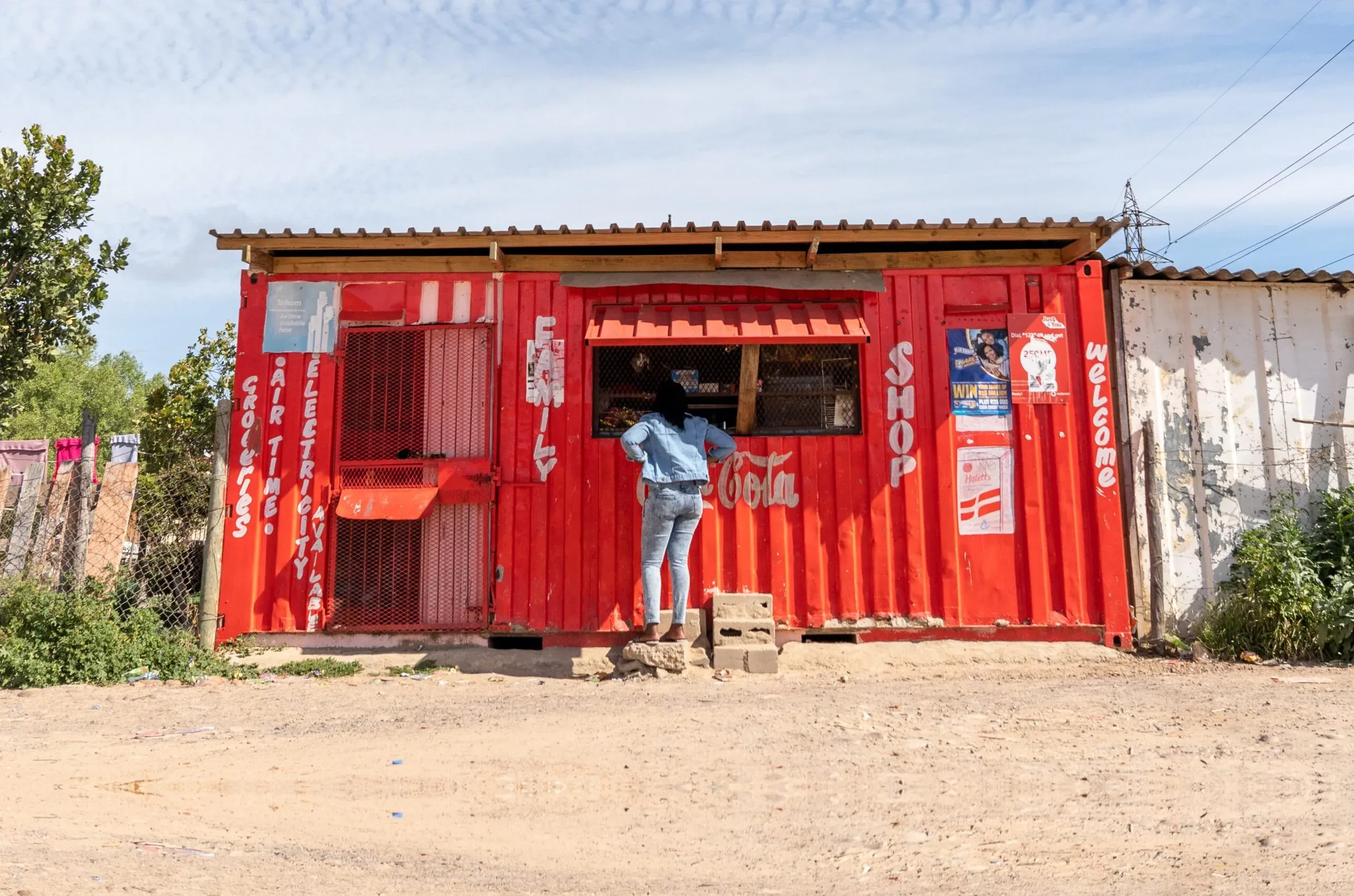
That's not a flaw in how the sector works, it's just the reality of operating at scale. Whether you're distributing cookstoves, installing water filters, deploying solar, or running community-led tree-planting across thousands of sites, reaching that many beneficiaries means leaning on a network of organisations on the ground: NGOs running community programmes, retailers selling through their own outlets, and contractors or field agents going door to door. Each one becomes a source of the data that eventually has to stand up to verification.
For smaller projects with one or two partners, this is manageable. The trouble starts when a project grows.
Why scale turns into a data problem
We work with large developers who collect data through five, ten, sometimes more external organisations. At that point the project is no longer managing data collection. It is managing data collection across many independent teams, each with its own habits, tools, and pace.
The symptoms show up quickly. One partner sends a clean spreadsheet every Friday. Another sends a different spreadsheet whenever someone remembers. A third has been entering household names in a column you meant for stove serial numbers. You are now reconciling data that arrives in different structures, from different sources, on different schedules, all of which has to be stitched back together into a single distribution database that a verifier will scrutinise line by line.
By the time you've chased the late submissions, cleaned the messy ones, and matched records across files, the data team is spending more time on assembly than on the actual project. And every manual step is a place where errors creep in.
The real reasons it breaks down
When data quality slips in a multi-partner setup, it's tempting to blame the partners. But the causes are usually structural, and they're predictable.
Partners often don't know what a carbon programme actually requires. They are good at their core work, whether that's installing units, selling product, or running community outreach, but the specific data points, the precision, and the evidence standards that a methodology demands are not part of their world. If no one explains why a field matters, it gets filled in carelessly or skipped.
Partners already have tools they rely on. They've built their workflows around a particular spreadsheet, app, or paper form, and asking them to abandon it for something new meets resistance. Often that resistance is reasonable. Their existing tool works for them.
The data collection process is frequently undefined before partners are brought in. Developers hand over a loose template and assume the details will sort themselves out. They don't. Without a clear specification, every partner interprets the gaps differently, and you end up with as many data formats as you have partners.
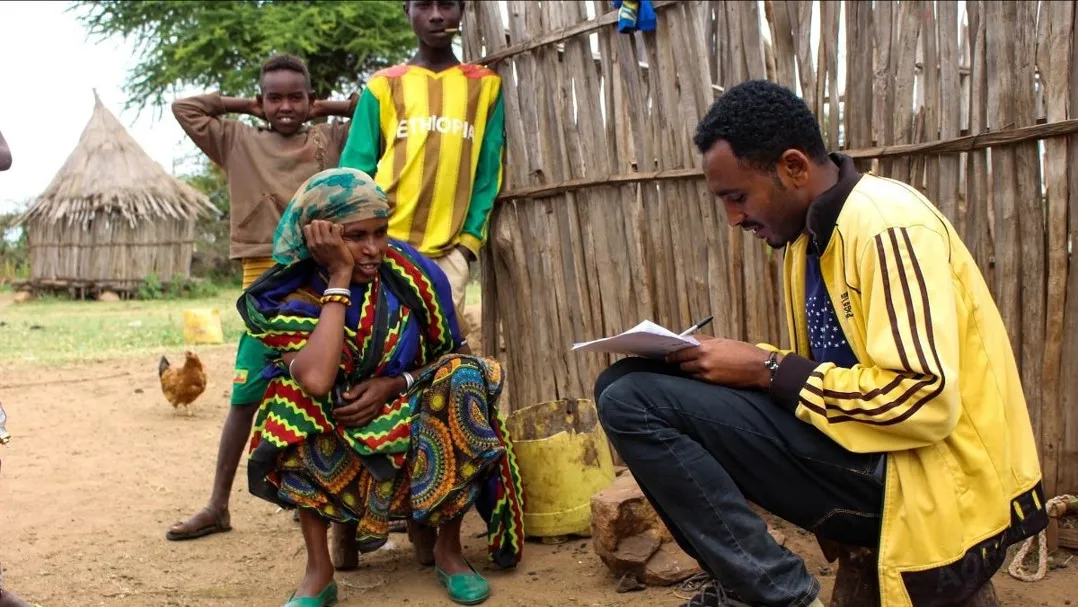
And some partners simply lack the means to collect digitally. A field agent without a smartphone, or working in an area with no connectivity, falls back on paper. That data still has to enter your system somehow, usually through manual transcription, which is slow and error-prone.
Five practices for getting it right
A scalable, professional data operation across many partners is achievable. It comes down to doing the design work upfront rather than firefighting later.
Start from the methodology and work backwards. Before you talk to a single partner, define the exact list of data points your carbon programme requires. The methodology tells you what you need to prove and what evidence proves it. That list, not a generic template, is the foundation for everything else.
Specify the data, not just the fields. For each data point, define the type, the format, the allowed values, and the structure. "Date" is not a specification. "Date of sale, format YYYY-MM-DD" is. The more precisely you define this once, the less interpretation each partner has to do, and the more consistent the result.
Audit the tools your partners already use before deciding to change them. Find out what each partner collects data with today. Sometimes their existing tool is good enough and the smarter move is to keep it and map its output into your structure. Other times consistency demands a shared tool. Make that call deliberately, partner by partner, rather than imposing a single answer on everyone.
Build validation into the form itself. The cheapest place to catch an error is at the moment of entry. Design collection forms with strict input rules: required fields, dropdowns instead of free text, format checks, range limits. If a serial number can only be twelve digits, the form should refuse anything else. Restrictions feel rigid, but they eliminate whole categories of error before the data ever reaches you.
Train partners properly, then scale. Don't roll out to the full network until your partners genuinely understand what they're collecting and why. A short, well-run training session that explains the purpose behind each field pays for itself many times over in data you don't have to clean later. Confirm comprehension before you scale, not after.

Where CarbonHQ fits
Even with good design, a multi-partner setup leaves you with the fundamental problem of consolidation: data living in many places, in many shapes, arriving at many times. This is the part CarbonHQ was built to solve.
CarbonHQ integrates with multiple data collection platforms and custom APIs, so the data your partners collect flows in directly, in real time. No more emailing partners for the latest file, no more waiting on the slow submitter. The data is simply there.
Different partners, different structures? CarbonHQ maps every incoming format to a single, consistent data structure on the platform. A field one partner calls "household_id" and another calls "HH Number" land in the same place, the same way, every time.
And because forms in the field are never perfect, CarbonHQ runs automated validation on everything that comes in. Even where a partner's form was poorly designed, the platform flags the issues so your team catches them early instead of discovering them during verification.
The result is a fully digital pipeline that runs from the field, to the developer, to the standard body, with no manual handling or chasing in between. That's not just faster. It's the difference between data you hope is right and data you can stand behind.
Running a multi-partner project and drowning in spreadsheets? Talk to us about how CarbonHQ consolidates your data collection.